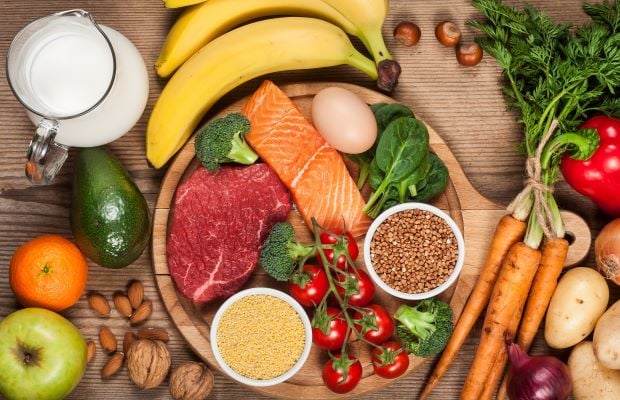
In today’s fast-paced world, maintaining a healthy lifestyle can sometimes feel like a daunting task. However, it’s essential to understand that eating well and embracing a nutritious diet is crucial for our overall well-being. Contrary to the misconception that healthy eating is bland and boring, it is entirely possible to enjoy delicious, mouthwatering meals without compromising on nutrition. This article will explore the significance of eating well and how we can create a balanced and enjoyable diet while equating it with a healthy lifestyle.
- Nourishing the Body and Mind:
Eating well provides our bodies with the necessary nutrients, vitamins, and minerals for optimal functioning. A balanced diet supports physical health, strengthens the immune system, and helps prevent chronic illnesses. Moreover, research suggests that a nutritious diet positively impacts mental health, promoting better cognitive function, mood stability, and overall well-being. By nourishing our bodies with wholesome foods, we enhance both our physical and mental vitality.
- Sustaining Energy Levels:
A well-rounded diet that includes whole grains, lean proteins, fruits, and vegetables provides a steady source of energy throughout the day. By avoiding excessive consumption of processed foods high in added sugars and unhealthy fats, we can prevent energy crashes and maintain stable blood sugar levels. This sustained energy allows us to stay focused, productive, and engaged in our daily activities.
- Weight Management and Disease Prevention:
Maintaining a healthy weight is an essential aspect of overall well-being. A balanced diet, combined with regular exercise, can help manage weight effectively. Consuming nutrient-dense foods in appropriate portions helps control calorie intake while providing essential nutrients. Additionally, a wholesome diet lowers the risk of developing chronic diseases such as obesity, diabetes, heart disease, and certain types of cancer.
- Enhancing Digestive Health:
A well-balanced diet rich in fiber promotes a healthy digestive system. Fiber aids in maintaining regular bowel movements, preventing constipation, and promoting a healthy gut microbiome. Including foods like whole grains, legumes, fruits, and vegetables helps maintain optimal digestive health, ensuring the efficient absorption of nutrients and elimination of waste.
- Discovering Flavorful and Nutritious Options:
Contrary to the belief that healthy food is bland, there is an incredible array of delicious and nutritious ingredients available. Experimenting with herbs, spices, and different cooking techniques can transform simple ingredients into extraordinary culinary creations. By incorporating a variety of fruits, vegetables, lean proteins, and whole grains, we can create flavorful meals that satisfy our taste buds while providing vital nutrients.
- Cultivating a Sustainable and Ethical Approach:
Eating well also involves considering the environmental and ethical impact of our food choices. Embracing a plant-based diet or reducing our consumption of animal products can significantly reduce our carbon footprint and contribute to a more sustainable future. By supporting local farmers and choosing organic, ethically sourced ingredients, we promote fair trade practices and foster a healthier planet.
Prioritizing a well-balanced and nutritious diet is essential for a healthy lifestyle. By emphasizing the importance of eating well and debunking the myth that healthy food lacks flavor, we can inspire others to embrace nutritious meals that not only support physical and mental well-being but also delight the senses. Let us strive to create a harmonious relationship between healthy eating, culinary creativity, and ethical choices, ensuring a vibrant and fulfilling life.
Remember, food should be a source of nourishment and enjoyment, enriching our lives with vitality and pleasure.
 Mimame